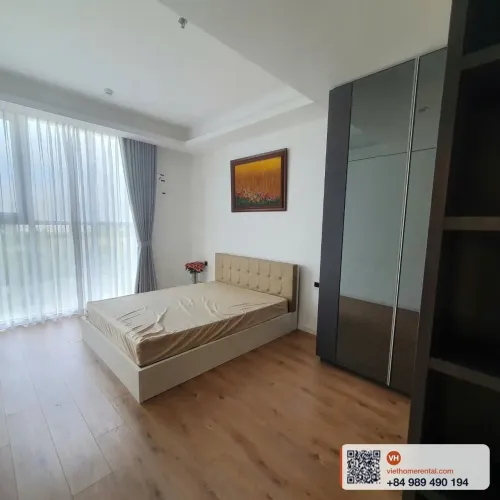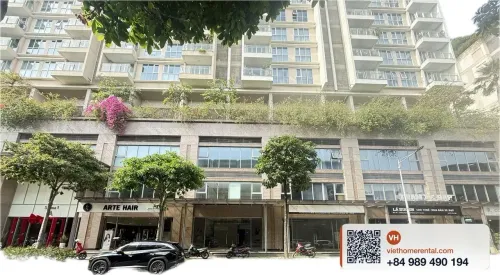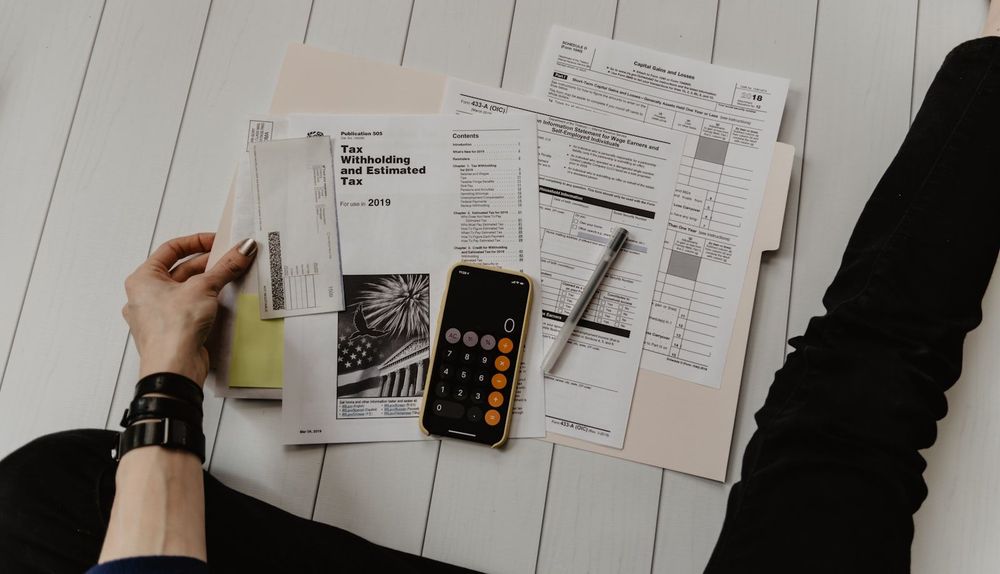
Many expats assume rent is fixed, but in Vietnam, negotiating is standard and can save you 5-15% on your monthly costs.
Research Before Negotiating
Before meeting the landlord, know:
- Average price for similar units in the building
- How long the apartment has been vacant (longer = more flexible)
- Building occupancy rate
Negotiation Scripts
Opening: "I really like this apartment and want to sign a long lease. But the current price is a bit over my budget. Could you consider a reduction?"
If they refuse: "I understand. Instead of lowering rent, would you include the management fee or swap the mattress for a new one?"
Beyond Price: What's Negotiable
- Management fee ($0.7-1.2/m²): often includable
- Furniture: New mattress, TV, AC, work desk
- Break clause: 60 days instead of 90
- Deposit: From 2 months to 1 month
- Pets: Allowed for free instead of extra fees
- Free months: 1 month free on 12+ month leases
Decisive Factors
- Low season (post-Tet, Mar-May): Easier to negotiate
- Long vacancy (3+ months): Landlord more flexible
- Long lease (12+ months): Allows deeper discounts
- Pre-payment: Paying 3-6 months upfront often gets 3-5% off
Things to Avoid
- Don't negotiate solely by text or email—always have a face-to-face or phone meeting
- Don't mention competing apartments aggressively
- Don't rush—good landlords often need 1-2 days to think
- If you reach an agreement, get it in writing in the contract
Final Thoughts
Negotiation is a learnable skill. The best approach is calm, accurate with numbers, and focused on the value you bring (long lease, on-time payments, low maintenance).
Looking for an apartment in Vietnam? Browse VietRent with flexible options to negotiate.
Related reading: